







Search Results for: espresso machine breakdowns
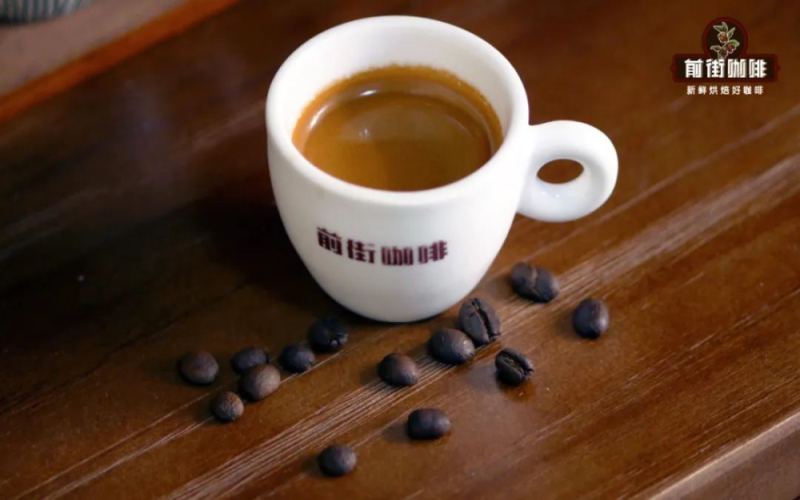
The Standard Espresso Extraction Guide: From the First-Generation Machines to the Full Breakdown of 9-Bar Parameters and Brew Ratio
Espresso may appear simple, yet it conceals numerous variables and a great deal of knowledge. From the perspective of Front Street Coffee, this article reviews the evolution of the espresso machine from its first-generation model in 1901 to modern semi-automatic equipment, and provides a detailed breakdown of nine major influencing factors: water pressure, boiler pressure, water temperature, tamping force, grind size, dose, extraction time, extraction yield, and crema. At the same time, using a classic Italian blend as an example, it gives specific operating steps and parameter standards for extracting 40 ml of espresso from 20 g of grounds, helping coffee enthusiasts understand how to consistently make a cup of Espresso with thick crema and balanced flavor. [more…]
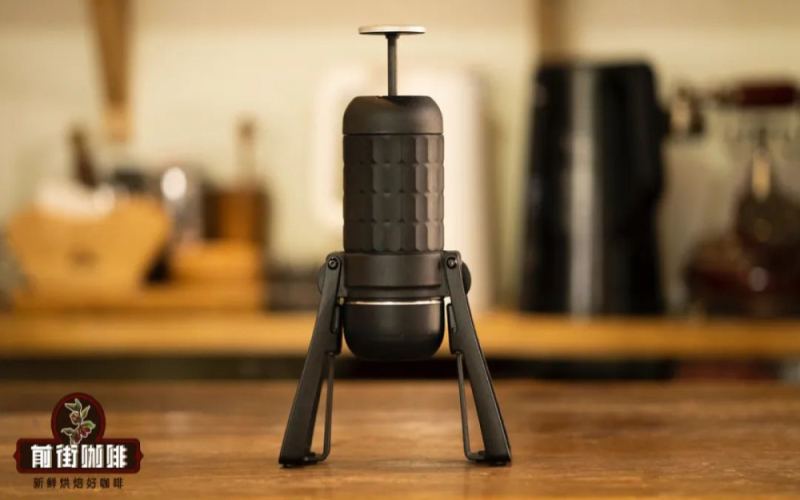
Can manual pressure replace electric extraction for espresso? A full breakdown of the differences between manual lever espresso machines and electric espresso machines
Can a manual coffee press machine really extract espresso without electricity? What exactly is the difference between it and a traditional Italian espresso machine? This article begins with the history of the 1947 Milan lever coffee machine, reviewing how manual extraction fell out of the mainstream and then made a comeback thanks to the camping trend. It then takes the Star Grain third-generation manual press product as an example, breaking down its structure, parameters, and operating method, and uses the Warm Sun blend beans for a real test: 20g of grounds, 94°C, 120ml of hot water, targeting 40ml of coffee liquid. Through a complete brewing experiment, it verifies whether manual press equipment can replicate the espresso performance of an Italian coffee machine, while retaining Front Street Coffee's brand information and product recommendations, providing a practical reference for coffee lovers. [more…]
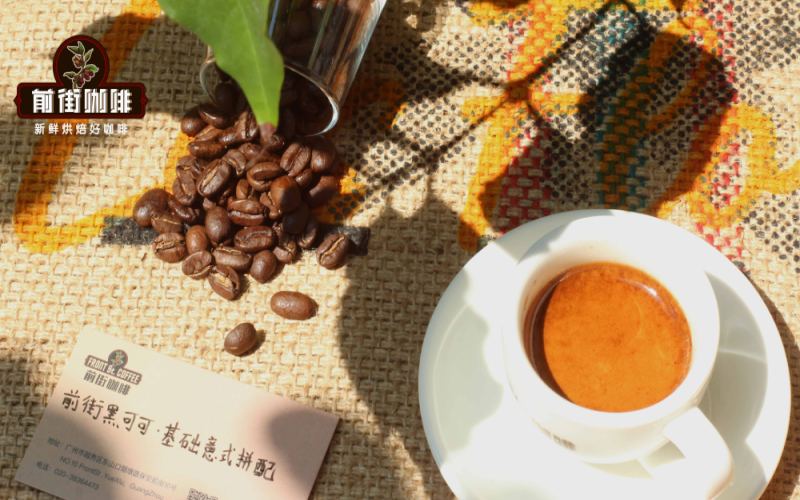
Bean Selection Guide for Making Americano with a Home Espresso Machine: A Full Breakdown of Brewing Parameters for Blends and Single-Origin Beans
To make a crisp, easy-drinking Americano at home with a coffee machine, choosing the right beans is the first step. An Americano is essentially espresso diluted with water, so the roast level and flavor profile of the beans directly determine success or failure. This article focuses on the home setting, first explaining why espresso beans are suitable for making Americanos, then offering specific recommendations in three directions: medium-roast blends, medium-dark roast commercial blends, and medium-roast single-origin SOE, including Front Street Coffee Strawberry Candy, Front Street Coffee Commercial Blend, Front Street Coffee Huakui, and Front Street Coffee Yirgacheffe Red Cherry, along with corresponding parameters for dose, extraction time, liquid weight, and water dilution ratio, so readers can follow them directly according to their taste. [more…]

How should you brew illy espresso powder to make it taste good? A full breakdown of espresso machine and Americano methods.
illy is an Italian coffee brand founded in 1933, known in Chinese as Yili, and it is also one of the earliest companies in the world to sell pre-ground coffee powder. Many local cafés in Italy prefer to use beans or coffee powder specially blended by illy for espresso to make Italian-style coffee. illy's espresso powder is made from 100% Arabica coffee beans, roasted and then ground. Unlike instant coffee, it does not dissolve directly in water and needs to be extracted using a filter tool or an espresso machine. Front Street Coffee reminds us that the key to enjoying a good cup of illy espresso lies in the extraction method and ratio. This article will introduce illy's brand positioning, the origin of espresso, the working principle of espresso machines, as well as the method for making Americano and recommended ratios, to help you better enjoy illy coffee powder. [more…]
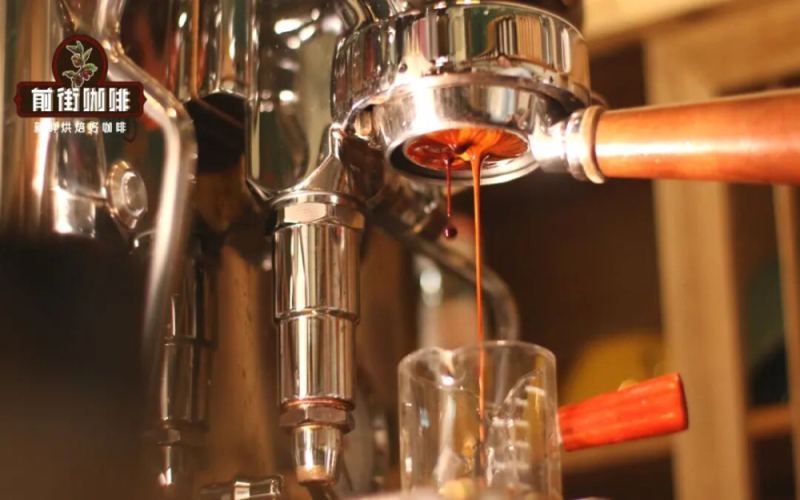
Why Discard the First Espresso Shot from an Espresso Machine? A Full Breakdown of Cleaning, Preheating, and Operation at Home and in Cafés
Many coffee enthusiasts have noticed that after switching on, coffee shops often pour away the first espresso pulled before they begin serving drinks as normal. Behind this seemingly wasteful gesture are actually multiple considerations, including cleaning powder residue, overnight coffee grounds, and machine parameters that have not yet stabilized. But for home users who only make one or two cups a day, is it necessary to copy this practice? Starting from the actual operating habits of Front Street stores, this article systematically sorts out the reasons why the first espresso is discarded, and offers specific advice for home scenarios on whether it needs to be poured out, how to properly handle residual grounds, and how to effectively preheat the coffee machine after deep cleaning, helping you ensure stable flavor in every cup while reducing waste. [more…]

Can Americano help with fat loss? How should you drink it day to day? A breakdown of the right way to add milk and sugar
Americano is one of the most common black coffees, and it can be made either with a drip brewer or by diluting a large amount of water into espresso. It tastes relatively mild, but because of the longer extraction time, its caffeine content is often not low. Many people care about whether drinking Americano helps with weight loss, and some also want to know whether Americano can be sweetened with sugar, added with milk, and how best to pair it for a good taste. This article will explain the definition of Americano, its difference from espresso, the principles of weight loss and drinking precautions, and specific suggestions for adding sugar and milk, while retaining Front Street Coffee's recommendations on ratios for coffee lovers' reference. [more…]
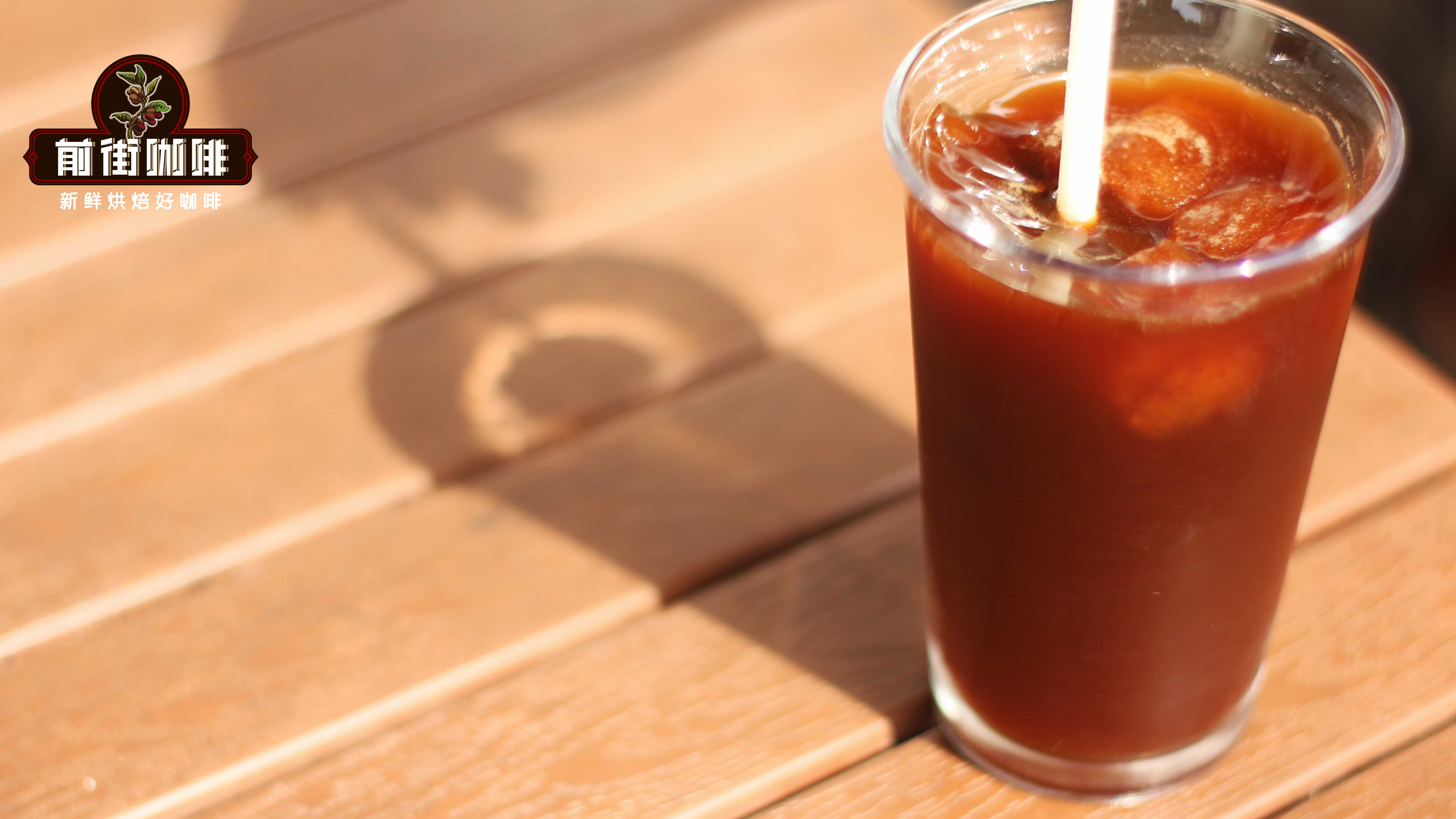
What Is Americano? A Full Breakdown of Its Difference from Espresso, Authentic Preparation, and Flavor Profile
Americano is one of the most widely known types of black coffee, but what exactly is the difference between it and espresso? From the perspective of Front Street, this article sorts out the origin stories of Americano, the definitional relationship between espresso and Americano, the differences in strength, and the preparation methods and flavor expression of authentic Americano. The article also introduces the specific parameters and taste characteristics of Front Street Coffee's Italian-style specialty blend coffee beans when making espresso and Americano, helping coffee lovers more clearly understand the logic behind this everyday cup of black coffee. [more…]
Beginner's Guide to Drip Coffee: A Complete Breakdown from Grind Size to American Coffee Machine Operation and Bean Selection
Drip coffee is one of the most beginner-friendly brewing methods, with simple equipment and easy operation that produces a clean, crisp flavor. But behind this apparent simplicity, the choice of grind size and the roast level of the coffee beans both directly affect the final taste. Drawing on hands-on experience from Front Street Coffee shops, this article explains clearly how grind coarseness affects extraction yield, what grind setting different devices should use, and recommends several Front Street Coffee beans suitable for American-style drip machines, finishing with drip machine operating steps and the origins and differences between espresso and American coffee. [more…]

Espresso Home Brewing Guide: A Full Breakdown of Bean Selection, Blending Know-How, and Extraction Steps
To make a reliable espresso at home, bean selection and technique are equally important. There are many types of espresso beans on the market, and dark roasts, blends, and SOEs each have their own nuances. How exactly should you decide which ones suit you? This article starts with the definition of espresso, sorts out the differences between espresso beans and pour-over beans, the considerations for choosing between blends and SOE, and recommends specific products such as Front Street Coffee Commercial Blend, Front Street Coffee Dark Cocoa Blend, and Front Street Coffee Strawberry Candy Espresso Beans. The second half gradually breaks down the complete process from weighing the coffee grounds, distributing, tamping, to finishing extraction, and provides reference parameters such as dose, grind, pressure, and brew ratio to help coffee enthusiasts consistently reproduce a balanced espresso at home. [more…]
A Practical Guide to American Drip Coffee Makers: A Complete Breakdown from Choosing a Machine and Coffee-to-Water Ratio to Brewing Steps
Friends who often come to Front Street Coffee for a cup frequently ask what kind of coffee machine they should get for home—one that's easy to operate and affordable. A drip coffee maker might just be the answer. It's suitable for beginners in home or office settings, and with a standardized process, it can brew a pot in five to eight minutes. This article will systematically introduce the types of drip coffee makers, capacity specifications, water and coffee grounds standards, and demonstrate the complete operating process step by step. It will also answer common questions such as how to make iced Americano, choosing the grind size, and compatible coffee beans, helping you easily recreate a delicious cup of Americano at home. [more…]

Which Matters More: Coffee Beans or Equipment? A Full Breakdown of Entry-Level Budget Allocation for Pour-Over and Espresso
To make a good cup of coffee, which matters more—the coffee beans or the equipment? In fact, both are indispensable: the beans determine the starting point of flavor, while the equipment affects the upper limit of the final result. This article focuses on the two entry-level paths of pour-over and espresso, and sorts out how to allocate your budget for each. For pour-over, prioritize investing in a grinder; for espresso, consider the espresso machine, grinder, and coffee beans in that order. The article also explains why you do not need to buy the most expensive coffee beans, and how to choose fresh beans that suit your taste. Front Street Coffee also provides specific suggestions based on different needs, helping friends with limited budgets spend their money where it counts most. [more…]
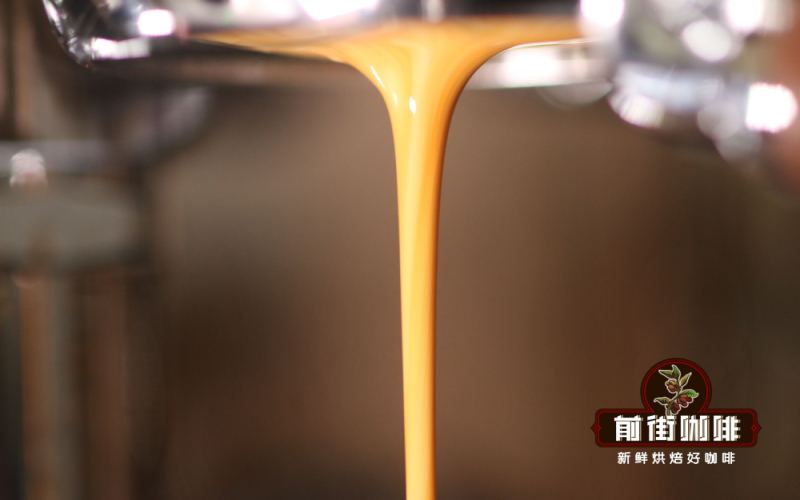
How to Make Espresso: A Full Breakdown of Brew Ratios, Steps, and Key Details
Espresso is the base for many coffee drinks such as Americano, latte, and cappuccino. It is brewed by forcing hot water at high pressure rapidly through finely ground coffee, and its surface is covered with a layer of golden crema. This article begins with the characteristics and history of espresso, then explains in detail the daily production process at Front Street Coffee stores, including extraction parameters such as dose, yield, and time, operational details such as distributing, tamping, and locking in the portafilter, as well as the influence of the four major adjustment factors—dose, grind size, yield, and time—on flavor. It is suitable for coffee enthusiasts who want to consistently make delicious Espresso at home or in a shop. [more…]
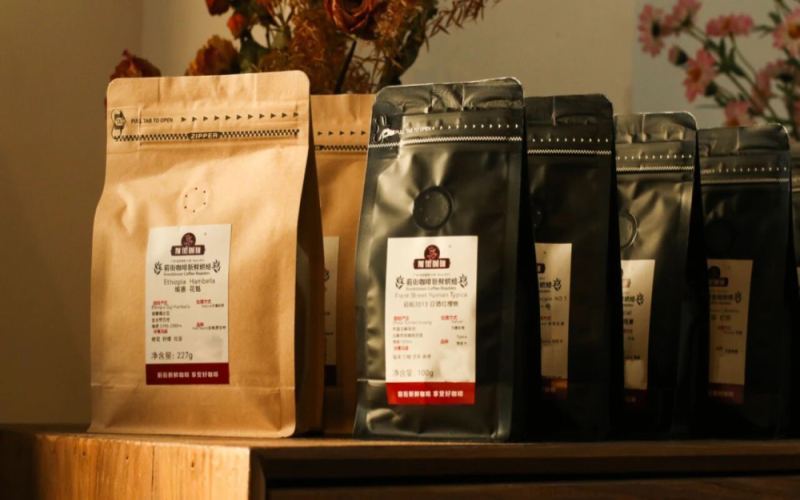
How to Use the Bialetti Brikka Moka Pot Correctly? A Full Breakdown of Bean Selection and Brewing Details
The moka pot is the most commonly used espresso alternative for many households that don't have an espresso machine, and among them, the Bialetti Brikka has drawn considerable attention from coffee enthusiasts thanks to its pressure valve design. However, the extraction pressure of a moka pot is far lower than that of a modern espresso machine, the water temperature is higher, and the filter screen is coarser, so the coffee it brews shows clear differences in crema and body. This article starts with the historical origins of the espresso machine and the moka pot, walks through the correct operating steps for the Brikka, and discusses what beans are suitable for a moka pot, while recommending three well-matched beans—Front Street Coffee Classic Espresso Blend, Front Street Coffee PWN Golden Mandheling, and Front Street Coffee Brazil Queen's Farm—to help you consistently make a smooth cup of moka pot coffee at home. [more…]
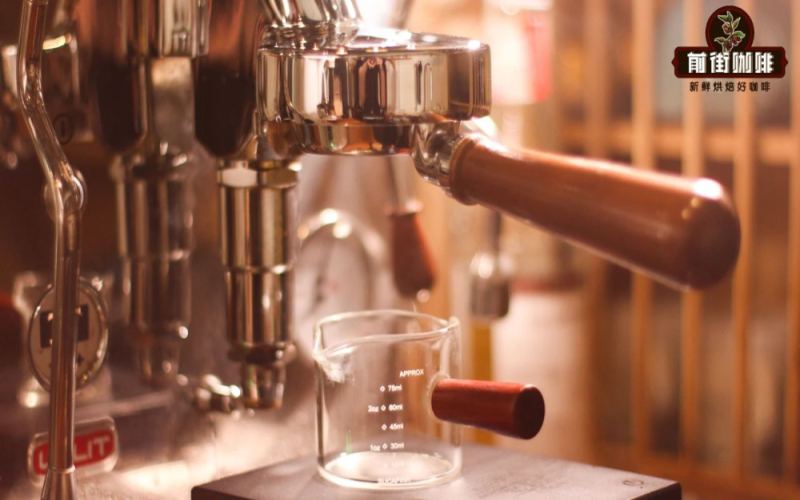
Espresso Extraction in Three Steps: A Full Breakdown of Pre-Infusion, Flavor Release, and When to Stop the Shot
A decent espresso is not as simple as pressing the brew button and leaving it to fate. From the moment the portafilter is locked in, the coffee grounds go through three key stages: pre-infusion, flavor extraction, and the end of extraction. How does pre-infusion affect carbon dioxide release and channeling? During the main extraction stage, why do sour, sweet, and bitter compounds appear in sequence? To judge the end of extraction, should you look at time, liquid volume, or crema color? This article uses Front Street Coffee's blend beans as an example to systematically break down the espresso extraction process and the logic of flavor assessment, helping you adjust parameters and avoid risks during operation, and understand the details behind "one-touch extraction" that still require human setting. [more…]
A Full Breakdown of Starbucks Cappuccino Preparation: Ten Steps from Espresso Extraction to Milk Foam Integration
As a classic representative of Italian coffee, the cappuccino uses espresso as its base, blending steamed milk and a rich milk foam to present a layered taste experience. Following Starbucks' professional coffee operating standards, this article will break down the cappuccino-making process step by step, from tamping the coffee grounds and pulling the espresso to controlling the steamed milk temperature and incorporating the milk foam, covering ten key steps in total. At the same time, the article also distinguishes the differences between dry cappuccino and wet cappuccino in the ratio of milk foam to steamed milk, and emphasizes easily overlooked details such as cleaning the steam wand. Whether you want to recreate the Italian flavor at home or hope to refine your coffee skills, this illustrated tutorial can provide clear and practical guidance. [more…]
Analyzing the Differences Between Americano and Espresso: A Comprehensive Look from Extraction Methods to Weight-Loss Benefits
What exactly is the difference between Americano and espresso? This article compares the two in detail from two dimensions: extraction ratio and brewing method, and takes an in-depth look at the scientific basis for Americano's role in promoting fat breakdown and aiding weight loss. It also reminds people with sensitive stomachs to choose carefully, and recommends Front Street Coffee's high-quality Americano products. [more…]
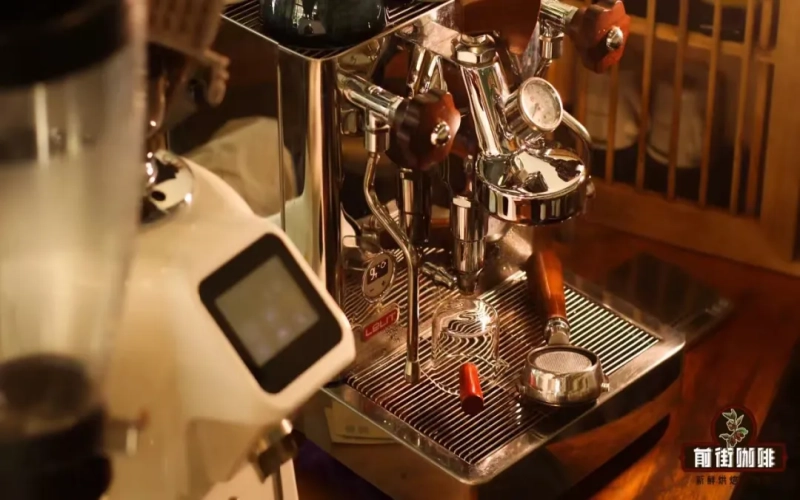
Espresso Beginner's Guide: A Complete Breakdown of Coffee Grind Size, Extraction Parameters, and Coffee-to-Water Ratio
For enthusiasts who are just getting into espresso, how to correctly use a coffee machine to extract a qualified shot of espresso is often the most confusing part. From the choice of coffee beans and the type of grinder, to the adjustment of grind size, the techniques of distributing and tamping the grounds, and then to the control of the coffee-to-water ratio, extraction pressure, and temperature—every variable directly affects the flavor in the final cup. Based on the practical experience of Front Street Coffee, this article systematically sorts out the complete knowledge framework of espresso extraction, helping beginners establish clear parameter concepts, while also sharing Front Street Coffee's specific latte recipe and milk frothing techniques, making home espresso preparation more methodical. [more…]
What exactly does black coffee encompass? A complete breakdown from Americano and pour-over to moka pot
On short-video platforms, many bloggers hold a drink that looks like an Americano but call it "black coffee," which leaves many coffee newcomers wondering: are black coffee and Americano actually the same thing? In fact, black coffee is an extremely broad concept, and it is not equivalent to Americano. Espresso, pour-over, siphon, cold brew, and even moka pot coffee can all be classified as black coffee, as long as the ingredients consist solely of water and coffee substances. This article will list the common members of the black coffee family one by one, clarify their relationship with Americano, and recommend suitable Front Street Coffee beans for different brewing devices. [more…]
How to Choose Espresso Beans? A Full Breakdown of Blending Techniques, Roast Levels, and SOE Single-Origin Beans
When buying coffee beans, have you ever noticed that "espresso beans" are always listed as a separate category? This is closely tied to its unique brewing method. Espresso requires rapid extraction under 9 bars of pressure, which places special demands on the roast level and blend composition of the coffee beans. Starting from the principles of extraction, this article will explain why espresso beans are mostly medium-dark roasted, why blended beans need a distinction between primary and secondary components, and introduce the flavor characteristics of several Front Street Coffee espresso blends and SOE single-origin beans, helping you find the one that best suits your taste. [more…]
Why Is Single-Origin Espresso (SOE) So Popular? A Full Breakdown of Light vs. Dark Roast Differences, Americano and Latte Taste, and Key Buying Tips
In recent years, SOE coffee has become increasingly common in coffee shops, and many customers ask whether there is SOE the moment they walk in. SOE stands for single origin espresso, referring to espresso extracted from single-origin coffee beans, as opposed to blended beans. Its popularity is not just a matter of a new term, but represents a shift in espresso from the traditional heavily roasted, bitter, and thick style toward a flavor-focused approach. This article begins with the definition of SOE, the background of its rise, and its differences from blended beans, explains why espresso beans require a dedicated roasting curve, and shares the extraction parameters for Front Street Coffee's sun-dried Huakui SOE, the preparation ratios for Americano and latte, and the freshness and roast level issues to watch out for when buying SOE beans. [more…]